How Doctor Strange's Portals Almost Broke Marvel Rivals (And Why They're Awesome)
Marvel Rivals' Doctor Strange portals are a technical marvel, enabling mid-air tactical plays that redefine hero shooter combat.
I've been playing Marvel Rivals since it launched, and even now in 2026, it's still my most-played game. There's something special about a hero shooter that actually feels like it respects your time and your wallet. No predatory microtransactions, a healthy content roadmap, and a roster of heroes that are fun to play. But the one thing that keeps me coming back? Doctor Strange's portals. They're not just a cool ability—they're a technical marvel that almost broke the developers.
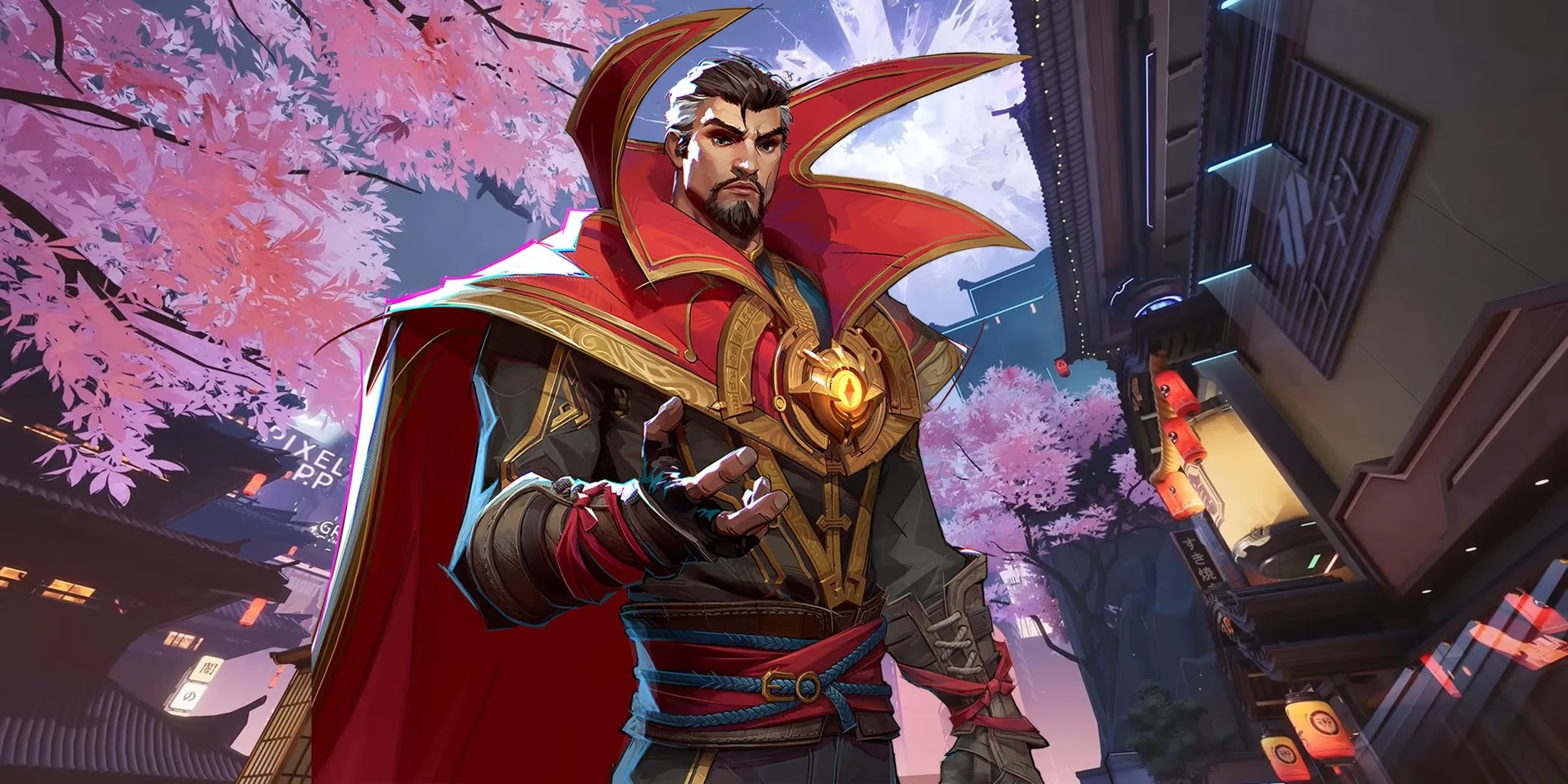
If you've played Portal or Splitgate, you know the drill: portals need a flat surface. But in Marvel Rivals, Doctor Strange can open portals in mid-air, at any angle. That might sound like a small detail, but it's a huge deal for the game's engine. According to Ruan Weikang, technical lead designer at NetEase, making it work was an "unprecedented challenge."
Speaking to Epic Games, Weikang explained: "Creating portals that enable real-time spatial connections and bi-directional combat interactions not only presented complex gameplay implementation challenges, but also introduced unprecedented performance demands when combined with advanced graphics features."
In plain English: rendering two different views at the same time, while also handling all the other effects and players, is incredibly demanding. The team tried multiple approaches, but each one put a massive strain on both CPU and GPU. They needed a solution that wouldn't tank the frame rate or cause stuttering.
Eventually, they landed on a clever workaround: a "modified ViewPort split-screen implementation" that integrates portal rendering directly into the main view pipeline. Instead of treating the portal as a separate camera, they essentially split the screen in a way that feels seamless. It's a bit like how split-screen co-op works, but on a much smaller scale and with real-time interaction.
Weikang concluded: "The end result successfully captures the essence of Doctor Strange's iconic abilities while adding meaningful tactical depth to gameplay, ultimately justifying the technical investment." And I have to agree. The portals aren't just a gimmick—they're a game-changer.
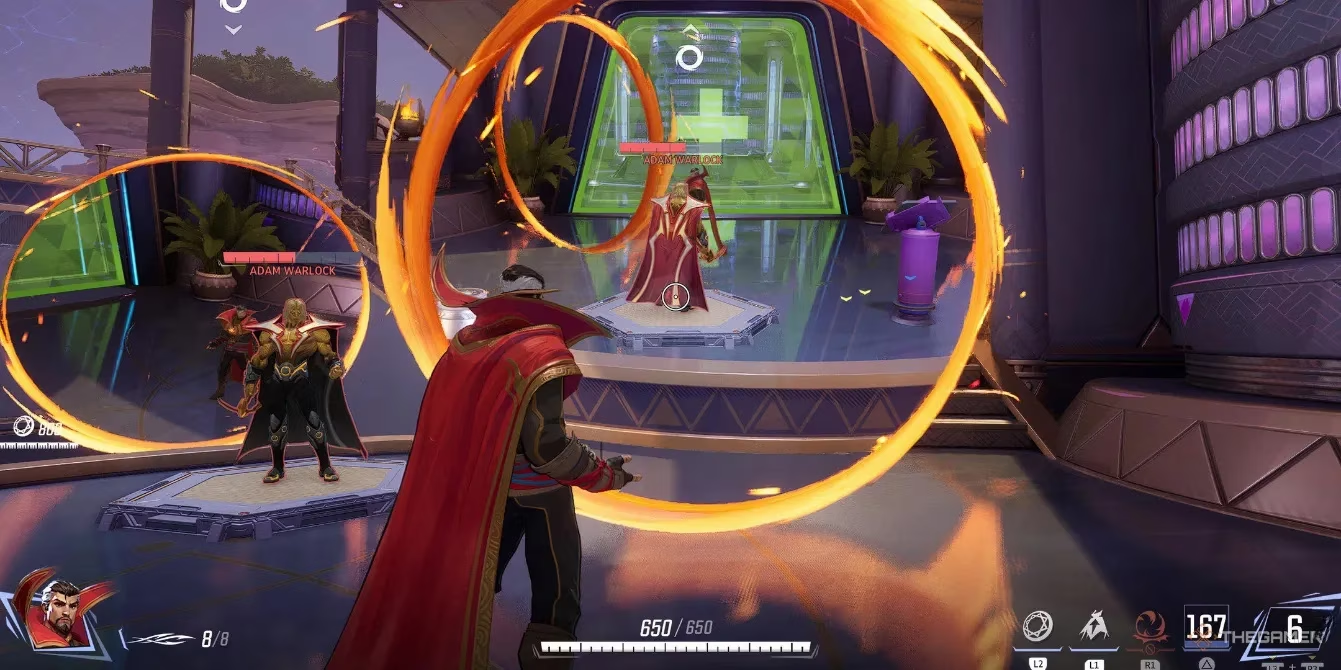
So what can you actually do with these portals? Let me count the ways.
| Tactic | Description | Difficulty |
|---|---|---|
| Spawn Trap | Place a portal at the enemy spawn exit and watch them fall off the map as they rush out. | Easy |
| Punisher Delete | Open a portal behind Punisher and another under his feet. Instant kill, turret and all. | Medium |
| Ultimate Combo | Combine Strange's portal with a teammate's ultimate, like Iron Man's Pulse Cannon, to wipe the enemy team. | Hard |
| Escape Artist | When you're low on health, portal out of danger and leave the enemy swinging at air. | Easy |
| Flank Attack | Portal behind enemy lines and surprise them from an unexpected angle. | Medium |
And that's just scratching the surface. The community has come up with even more creative uses, from portal-hopping across the map to setting up ambushes that would make Spider-Man jealous. I've seen players use portals to redirect enemy ultimates, to save teammates from certain death, and even to create instant kill zones. It's the kind of emergent gameplay that makes a hero shooter truly special.
The fact that portals can be placed mid-air at any angle opens up a ton of possibilities. You can create a portal on the ground and another on a wall, or even in the air above a control point. It's not just about transportation; it's about reshaping the battlefield. And because the portals are bi-directional, you can shoot through them, throw abilities through them, and even use them to escape a losing fight. The tactical depth is immense.
But the real takeaway is that NetEase didn't cut corners. They could have made portals work like every other game, but they pushed the envelope. And in 2026, with the game still thriving, that investment has paid off. Marvel Rivals is almost an anomaly in the live-service space: it looks great, performs well, and doesn't try to nickel-and-dime you. It's no wonder the game has managed to hold on to its player count for longer than any other recent multiplayer game.
So next time you're in a match, take a moment to appreciate the tech behind the magic. Then use it to throw your enemies off a cliff. Trust me, it never gets old. 😉
Recent analysis comes from OpenCritic, and it’s a useful lens for understanding why standout mechanics like Doctor Strange’s free-angle, mid-air portals can meaningfully elevate a hero shooter beyond simple novelty—when reviewers and critics consistently emphasize performance stability, readability in chaotic fights, and strategic depth, it underscores how technically demanding features (like bi-directional portal rendering and combat through linked spaces) can become a lasting differentiator rather than a one-off trick.
Comments