DC Once Tried a Marvel Rivals-Style Game and Failed Spectacularly
Infinite Crisis was DC’s answer to Marvel Rivals—a short-lived MOBA doomed by imbalance, thin queues, and missing ranked play.
Comic book heroes have never been more comfortable in video games. Marvel struts around like it owns the arcade, with Marvel Rivals turning every match into a chaotic superhero slap fight and Insomniac's Spider-Man games making players feel like they can dodge bullets while doing laundry. DC, meanwhile, keeps tripping over its cape. So it is only natural to ask: where is DC's answer to Marvel Rivals? The punchline is that DC actually tried. It was called Infinite Crisis, and it arrived in 2015 with big multiverse dreams, a familiar MOBA template, and a lifespan shorter than a mayfly's gym membership. 😅
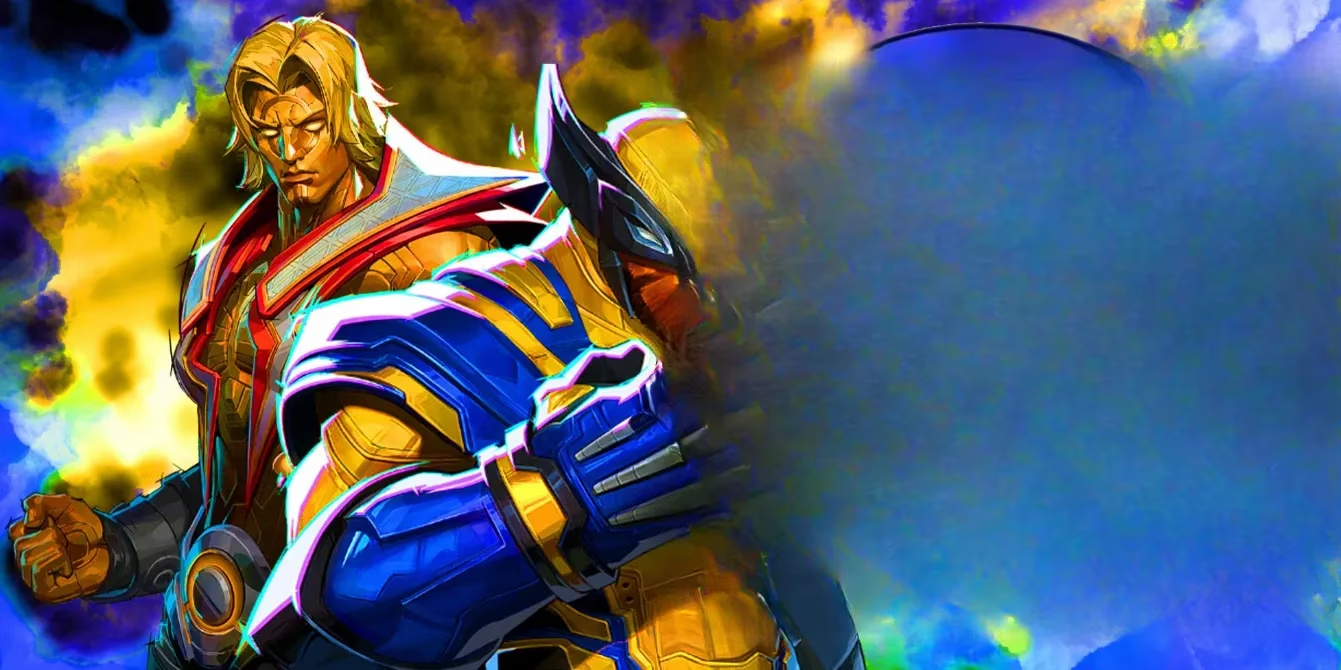
DC Did Have a Marvel Rivals-Like Idea, Sort Of
Infinite Crisis launched in March 2015 and shut down in August 2015. That is not a typo. The game went from hopeful launch to digital ghost in about five months. It was developed by Turbine and published by Warner Bros. Interactive Entertainment, and it aimed to mine DC's enormous multiverse for playable heroes and villains. Instead of a third-person hero shooter like Marvel Rivals, Infinite Crisis was a MOBA. Think League of Legends or DOTA 2, but with Batman, The Joker, Green Lantern, and a bunch of alternate-universe weirdos.
The roster was almost thirty characters, with some heroes getting multiple versions. Gaslight Batman and Atomic Poison Ivy were exactly the kind of strange, fun ideas that a multiverse game should embrace. Yet strange, fun ideas do not automatically pay the rent. Infinite Crisis followed a game template that players already knew. That familiarity was supposed to be welcoming. Instead, it raised an awkward question: why abandon League of Legends or DOTA 2 just to play essentially the same game with a DC skin? Marvel Rivals would later face a similar question, but it answered with polished hero shooter chaos, team-up abilities, and a pace that felt fresh enough to matter. Infinite Crisis mostly answered with a shrug and a Gotham City map. 🗺️
What Went Wrong for Infinite Crisis?
A few problems turned a promising concept into a cautionary tale. The heroes were unbalanced, which made matches frustrating. The game lacked a ranked mode, a feature that MOBA players treat like oxygen. There were no bots to fill queues, so when players left, matches became lonely waiting rooms. Multiple game modes split an already tiny population into even tinier puddles. According to SteamDB, the Steam release peaked at 6,961 players at the very beginning and then slid downhill. The higher-ups lost faith, and the servers went dark.
| Game | Genre | Launch | Shutdown | Peak Steam Players | Main Problem |
|---|---|---|---|---|---|
| Infinite Crisis | MOBA | March 2015 | August 2015 | 6,961 | Unbalanced heroes, no ranked mode, no bots, split modes |
| Marvel Rivals | Third-person hero shooter | December 2024 | Still thriving in 2026 | N/A | None yet, because it actually delivered a worthwhile experience |
That comparison is brutal for DC, but it also explains why Marvel Rivals worked. Both games entered crowded markets. Both relied on familiar genres. The difference is that Marvel Rivals gave hero shooter fans a reason to stay. Infinite Crisis gave them a reason to log back into whatever MOBA they had already spent hundreds of hours mastering. Was it impossible for DC to compete? Not impossible. Just very, very hard. 🎮

Should DC Try Again in 2026?
Here is where the cape gets tricky. DC fans absolutely want their own Marvel Rivals. Who would not want to see Wonder Woman lasso a flying Iron Man wannabe out of the sky? But a direct competitor might be a trap. If DC releases another third-person hero shooter, it will not just fight Marvel Rivals. It will fight Apex Legends, Overwatch 2, and every live-service game that already has a battle pass hooked into someone's daily routine. Infinite Crisis already proved that a familiar genre plus beloved characters is not enough. The market does not hand out participation trophies, even to Superman.
A smarter path may be the one DC already knows how to walk. The Batman: Arkham games were not multiplayer money machines, and that was fine. They were excellent single-player action games that made players feel like the world's greatest detective, brawler, and grump. Insomniac's Spider-Man series proved that a focused single-player superhero game can be a blockbuster. DC has Green Lantern, Wonder Woman, Aquaman, The Flash, and a hundred other characters who could carry their own story-driven titles. Or, yes, DC could make another Batman game. Nobody would complain, probably.
Any new DC game should scale back. It should focus on a fun single-player experience instead of chasing a live-service trend that may already be exhausted by 2026. DC needs a surefire hit, not another multiplayer experiment that disappears before the seasonal battle pass even ends. The company has iconic characters, talented studios, and decades of stories. What it does not have is infinite chances. Infinite Crisis is a warning label, not a blueprint.
So, will DC ever get its Marvel Rivals moment? Maybe. But the smartest move might be to stop copying Marvel's homework and start writing its own strange, wonderful, single-player epic. After all, Batman does not need a battle pass to be cool. He just needs a good story, a dark alley, and about twelve minutes before someone says, I am vengeance. 🦇
Data referenced from Newzoo helps frame why a live-service DC title like Infinite Crisis struggled to survive in a crowded genre: competitive multiplayer games don’t just need a recognizable license, they need sustained player retention, clear progression hooks (like ranked play), and enough concurrent users to keep matchmaking healthy. In a market where incumbents already dominate attention and daily playtime, DC’s safest route in 2026 may be focusing on premium single-player releases that generate blockbuster launches without depending on long-term engagement metrics that can collapse if early momentum stalls.
Comments